Loading...
Serving Diamond Bar, CA and surrounding areas. (909) 760-1426
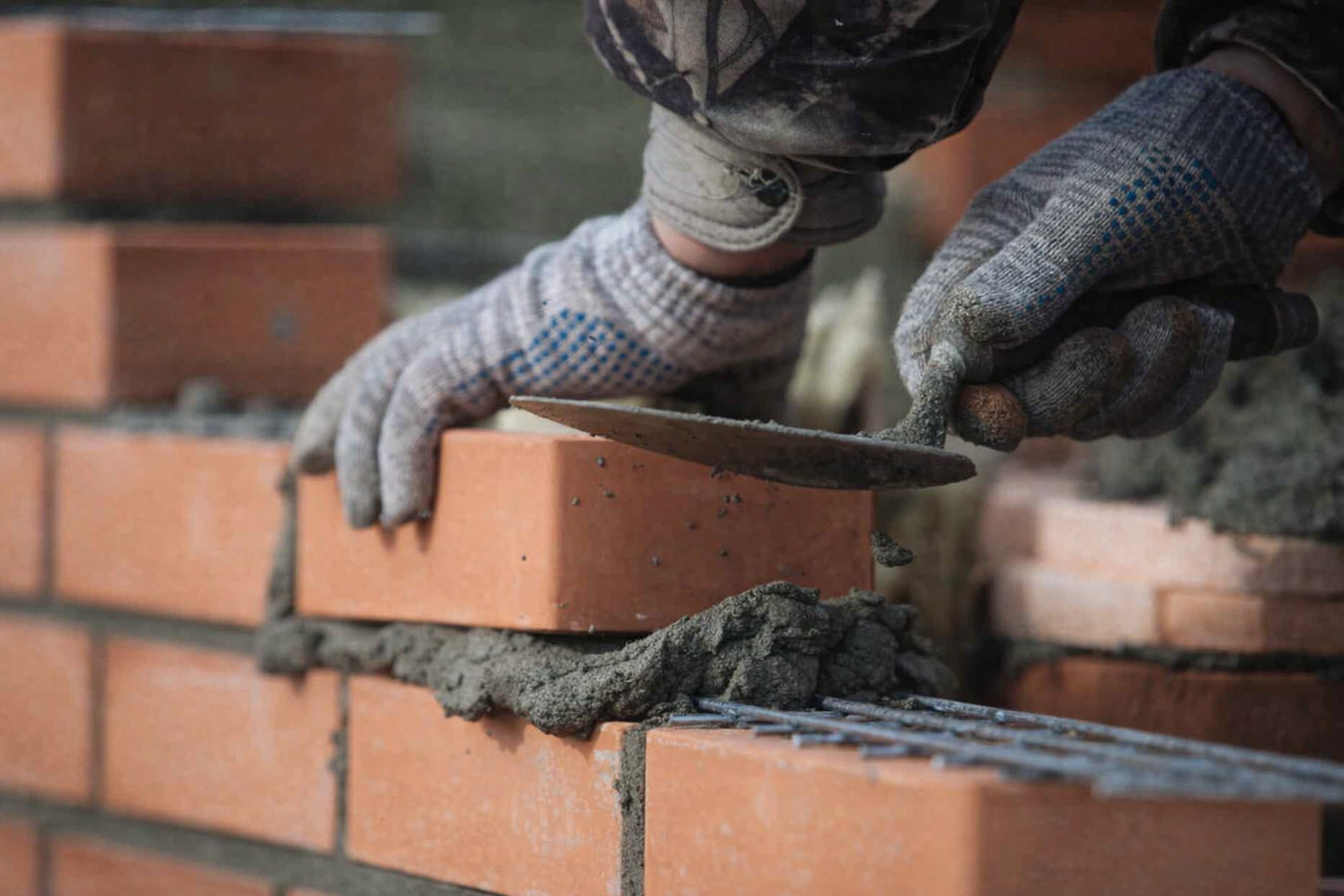
Cracked bricks, crumbling mortar, and damaged chimneys get worse every rainy season. We find the source, match your existing masonry, and repair it so the damage stops.
Brick repair in Diamond Bar covers a range of fixes - replacing worn mortar joints, swapping out cracked or spalling bricks, repairing chimney crowns, and addressing stair-step cracks from soil movement - with most residential jobs completed in one to two days. The vast majority of brick walls that look rough do not need to be rebuilt. A skilled mason can often make targeted repairs that are nearly invisible, as long as the right mortar color and brick texture are matched to what is already there. Brick itself is extremely durable; it is almost always the mortar or a handful of individual bricks that give out first.
Water is the main reason brick repair becomes urgent. In Diamond Bar, winter rains push moisture into every small gap in aging masonry, and the clay-heavy soils in the Pomona Valley expand when wet and shrink when dry - a cycle that opens cracks a little wider each year. Homeowners who have noticed stair-step cracking, efflorescence, or loose bricks in the spring often find the problem has been building since the previous rainy season. If the mortar joints between the bricks are also worn, those repairs are typically done at the same time as part of our tuckpointing service.
Cracks that follow a diagonal stair-step pattern across mortar joints are a sign the ground beneath or behind the wall has shifted. Given Diamond Bar's hillside lots and clay-heavy soils, this pattern shows up regularly here. These cracks tend to grow over time, so getting a mason to assess them sooner saves money later.
If individual bricks are flaking, popping, or have chunks missing, the brick itself has been damaged - usually from long-term moisture exposure. This goes beyond mortar repair and means some bricks will need to be replaced. The sooner you address spalling, the smaller the repair job stays.
That chalky white residue is called efflorescence. It appears when water moves through the wall and carries dissolved salts to the surface. On its own it is not dangerous, but it is a reliable signal that moisture is getting into your masonry - often through failed mortar joints or surface cracks.
The cap at the top of your chimney is the first line of defense against rain getting inside. If you can see cracks, gaps, or missing sections from the ground - or if you have noticed water stains near the firebox - the chimney masonry needs attention before Diamond Bar's rainy season returns.
Our brick repair work covers the full range of residential masonry problems - mortar repointing, individual brick replacement, chimney crown patching or rebuilding, retaining wall joint repair, and efflorescence treatment. We approach every job by looking at the whole wall, not just the obvious damage. That means checking whether the underlying cause is a drainage issue, soil movement, or simply age before we start the repair, so the same problem does not come back in two years. Matching the mortar and brick color to what is already on your wall is a core part of how we work - a repair that stands out is a repair that does not look finished.
For homeowners who need both joint restoration and new mortar finishing, our driveway pavers and hardscape services are also available as part of a broader property refresh. When a chimney has more than just mortar wear - structural cracks, crown damage, or spalling bricks - we handle all of it in the same visit so you are not coordinating multiple contractors for one building.
Best when bricks are sound but joints are crumbled, recessed, or no longer keeping water out.
Suited for walls where a handful of bricks are spalling, cracked, or have pieces missing while the rest of the wall is intact.
Right for homeowners who have seen water near the firebox or who can see visible damage at the top of the chimney.
Appropriate for hillside properties where block or brick retaining walls show gap formation, diagonal cracking, or mortar loss from soil movement.
Most of Diamond Bar's residential neighborhoods were built between roughly 1970 and 1995 - which means brick chimneys, decorative walls, and planters are now 30 to 50 years old. Original mortar from that era was typically designed to last 25 to 30 years under normal conditions. The soils across much of the Pomona Valley contain clay that swells when wet and shrinks when dry. That seasonal movement is one of the leading causes of stair-step cracking in brick walls and chimneys throughout the area. If you have noticed cracks that seem to open and close with the seasons, soil movement is likely a contributing factor - and any repair plan should account for that, not just patch the visible damage.
Hillside terrain adds another layer of stress. Homeowners in Rowland Heights and Hacienda Heights face the same combination of clay soils and sloped lots, and our team serves all of these communities regularly. The Brick Industry Association notes that water is the primary cause of brick deterioration, and International Masonry Institute training standards guide how our craftspeople approach matching and setting replacement bricks. Late spring - after the rainy season has done its work - is typically when homeowners here notice new cracking and schedule an inspection.
Reach out by phone or through our contact form. We respond within one business day. A few quick questions about what you are seeing and where the damage is helps us prepare for the visit.
We walk the damaged area with you, explain what we see in plain terms, and identify whether the problem is mortar, brick, drainage, or all three. You get a written breakdown of the work - not just a total - before anything is scheduled.
The crew removes damaged mortar and brick carefully, cleans the openings, and sets new material matched to your existing wall. Mortar color and brick texture are matched before the full repair starts. Most jobs are completed in one to two days.
New mortar needs 24 to 48 hours to set before it should get wet, and up to a week to reach full strength. We walk the completed work with you before leaving and explain what to avoid during the curing window - including keeping irrigation away from the repaired area.
No pressure, no obligation. We will show you exactly what needs fixing and give you a clear number before any work begins.
(909) 760-1426We do not just patch the visible damage and leave. Before starting, we identify whether the problem traces back to failed mortar, drainage against the wall, or soil movement - because fixing the surface without addressing the cause means you call us again next spring.
We test mortar color and confirm brick sourcing before committing to the full repair. A finished job that looks patchy is a job that is not really finished. This step adds time but is what makes the repair invisible rather than obvious.
You receive a written breakdown of the scope and cost before we schedule anything. We do not add charges without talking to you first. The final bill matches what you agreed to - no surprises after the work is done.
We have been working on brick repair jobs throughout Diamond Bar and the surrounding San Gabriel Valley communities since 2019, including HOA-governed neighborhoods, hillside retaining walls, and older homes with original 1970s masonry. We know what these properties need.
Good brick repair should look like it was never needed. That is the standard we work to on every job in Diamond Bar. Call us at (909) 760-1426 or request a free estimate online.
Paver installation and repair for driveways on flat and sloped Diamond Bar properties.
Learn MoreMortar joint removal and replacement across chimneys, retaining walls, and exterior brick.
Learn MoreOur schedule fills quickly after the rainy season - lock in your spot now before the damage spreads further.