Loading...
Serving Diamond Bar, CA and surrounding areas. (909) 760-1426
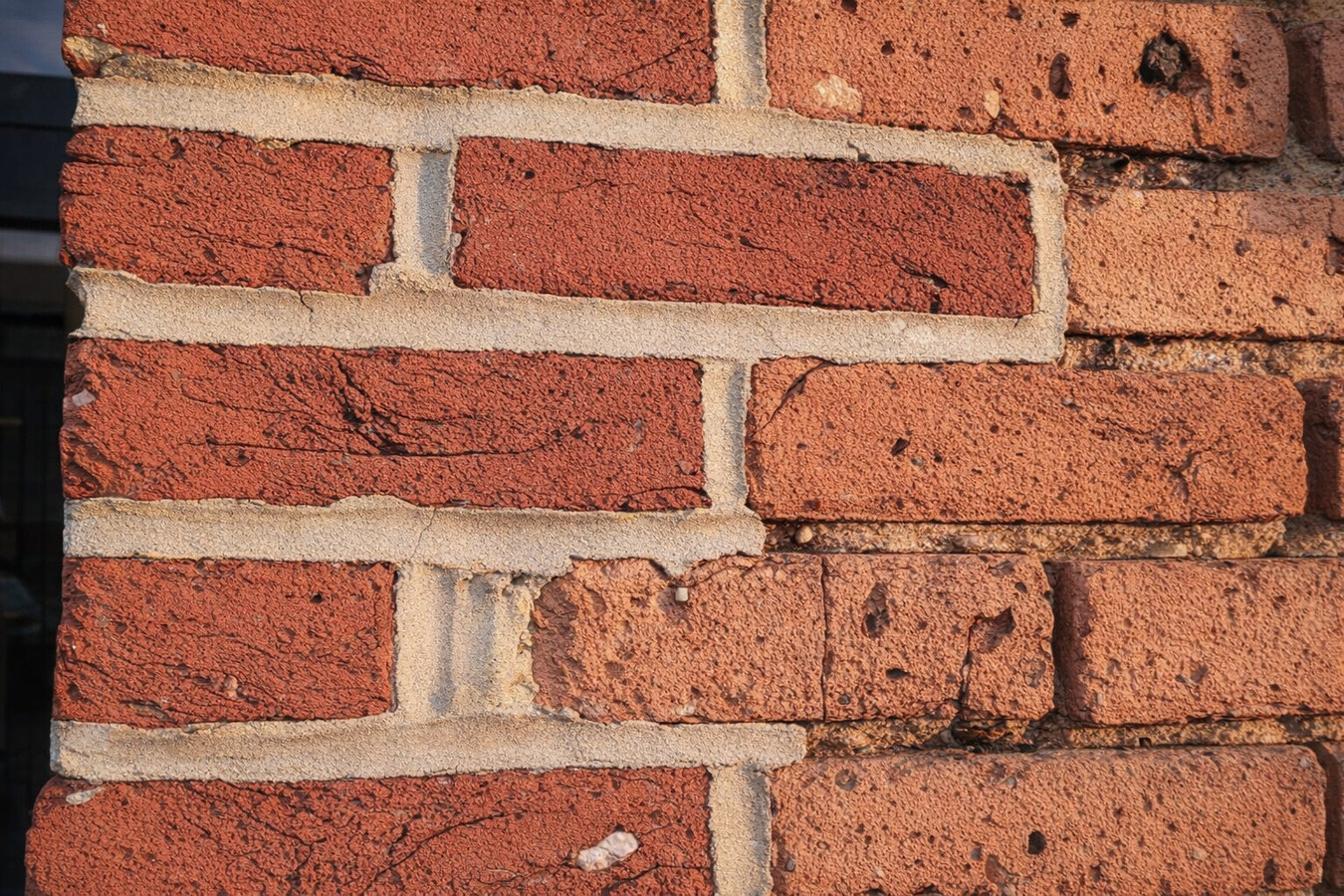
Crumbling mortar, spalling brick, and cracked retaining walls cost more the longer you wait. We repair, repoint, and restore masonry to hold up for the next 20 to 30 years.
Masonry restoration in Diamond Bar covers repairing, cleaning, and stabilizing brick, stone, or concrete block surfaces damaged by age, weather, or moisture - and most jobs are completed in one to three days without tearing anything out. The goal is to bring existing masonry back to a safe, sound, and attractive condition. Homeowners are often surprised to learn how much can be saved with targeted repairs, especially when crumbling mortar is the main issue and the masonry itself is still structurally solid.
Water is the underlying cause of nearly every masonry problem we see in Diamond Bar. Cracked mortar, spalling brick faces, and white-stained stone are all signs that moisture has been working its way through the wall for a while. A restoration job closes those pathways, which stops the damage cycle before it becomes a full rebuild. When the mortar joints are worn across a larger surface, that work often overlaps with our fireplace installation and stone masonry services, which we can often coordinate into a single visit.
Run your finger along the joints between bricks or stones on your chimney, retaining wall, or exterior planters. If the mortar feels soft, crumbles easily, or has gaps where it has fallen out entirely, restoration is overdue. This is the most common and most fixable masonry problem - catching it early prevents much more expensive repairs later.
Diamond Bar's clay soils expand and contract with the wet and dry seasons, and that movement shows up as cracks over time. Hairline cracks are worth monitoring. Cracks wider than a quarter-inch, or cracks that seem to be growing, mean the wall needs professional attention before it becomes a safety concern.
That chalky white residue is called efflorescence - mineral salt left behind when water moves through the masonry and evaporates on the surface. It is not just cosmetic. It tells you water is getting into the wall somewhere, and the source needs to be found and sealed before the damage gets worse.
If the face of a brick is chipping, flaking, or popping off in layers, it has been absorbing water and the surface is breaking down. In Diamond Bar, this often happens on south- and west-facing walls that take the most sun and heat. Spalling bricks need to be replaced, and the surrounding mortar should be checked at the same time.
We handle the full range of restoration work - mortar repointing, brick and stone replacement, efflorescence treatment, chimney mortar restoration, retaining wall joint repair, and masonry cleaning. Every project starts with understanding what caused the damage, not just patching the surface. Matching mortar color and texture to what is already on your wall is a core part of our process. A repair that stands out is a repair that was not done carefully.
When the scope of work grows - like a chimney that needs repointing and a retaining wall with joint separation in the same visit - we can handle both rather than sending you to two different contractors. If your project involves decorative or structural stone masonry or a fireplace installation as part of a broader renovation, we can combine all of it into a single project with one point of contact.
Best for surfaces where the masonry is sound but mortar joints have crumbled, recessed, or failed to keep water out.
Suited for walls where individual units are spalling, cracked, or missing while the surrounding masonry is still in good shape.
Right for homeowners whose chimneys show mortar loss at the top, crown cracking, or visible gaps in the joints from the ground.
Appropriate when white mineral staining indicates water is moving through the wall - treats the stain and closes the pathway.
Diamond Bar was developed heavily between about 1960 and 1990, which means most homes are now 35 to 65 years old. Masonry from that era - chimneys, retaining walls, decorative brick planters, and block fences - is reaching the age where mortar naturally breaks down. The clay-heavy soils across much of the San Gabriel Valley expand when wet in winter and shrink when dry in summer, a cycle that opens mortar joints a little wider each year. Diamond Bar also sits within reach of the Puente Hills fault system, and even minor seismic activity gradually loosens mortar in tall masonry structures like chimneys. If your home was built before the 1990s and has never had masonry work done, there is a good chance quiet damage has already accumulated. The Brick Industry Association recommends repointing when mortar joints have deteriorated to a depth of more than three-quarters of an inch - a threshold many Diamond Bar homes quietly crossed years ago.
HOA rules affect restoration projects in a meaningful portion of Diamond Bar neighborhoods. Many HOAs require that mortar color and texture match the existing appearance before approving exterior work, and some require written approval before any repairs begin. We know that process well and can help you navigate it before a single tool comes out. Homeowners near Walnut and Rowland Heights face the same combination of aging masonry, clay soils, and HOA oversight that Diamond Bar homeowners deal with, and our team serves all of those communities regularly.
We will ask a few basic questions about what you are seeing and roughly how old your home is, then schedule a time to look at the work in person. Masonry problems are hard to assess accurately from a photo alone - an on-site visit is how we give you an honest estimate. We reply within one business day.
We walk the area with you, point out what we are seeing, and explain what needs to be done and why. You receive a written estimate that breaks down the work clearly - not just a single number. This is the right time to ask about permits, timeline, and what mortar color matching will look like.
The crew sets up drop cloths to protect surrounding surfaces, then removes damaged mortar and packs in fresh mortar matched to your existing profile. Most residential jobs take one to three days. The contractor gives you a realistic timeline upfront so you can plan around it.
At the end of each workday, the crew cleans up debris and leaves the site tidy. When the job is complete, we walk you through the finished work so you can look closely and raise anything before signing off. Fresh mortar needs 24 to 72 hours before it should get wet.
Free estimate, written quote, no obligation. We respond within one business day.
(909) 760-1426We select mortar color and texture to blend with what is already on your wall. A patch that stands out is not a finished repair - it is a reminder that someone was there. This matters especially in HOA neighborhoods where exterior appearance standards require a seamless match.
We look for what caused the damage before we start filling joints. Whether it is clay soil movement, poor drainage near the foundation, or earthquake-loosened mortar, addressing the cause means the repair holds rather than reopening in two seasons.
We have worked on homes throughout the city - from the older ranch-style neighborhoods near the 60 freeway to the hillside properties up near Summitridge Park. That familiarity with local soil conditions, HOA rules, and housing stock lets us move faster and make fewer assumptions on your project.
The number in your written estimate is the number you pay unless you ask us to add scope. We pull any required permits ourselves and do not charge you separately for permit coordination. The International Masonry Institute sets the training standards our craftspeople follow for joint preparation and mortar application.
Every proof point above comes back to one thing: we do the job in a way that holds up. A masonry restoration that looks good on day one but fails in a few seasons is not a restoration - it is a delay. We aim for work that you do not need to think about again for decades.
Add or replace a masonry or gas fireplace with permits pulled and construction handled from the ground up.
Learn MoreNatural and manufactured stone work for walls, columns, and decorative features that complement restored masonry.
Learn MoreSpring and fall booking slots fill fast. Reach out now to lock in your assessment before the summer heat makes scheduling harder and mortar work trickier.