Loading...
Serving Diamond Bar, CA and surrounding areas. (909) 760-1426
Diamond Bar's clay soils and hillside lots put real stress on foundations. We diagnose the cause, pull the permit, and fix it right - so you have documentation that protects your home's value.
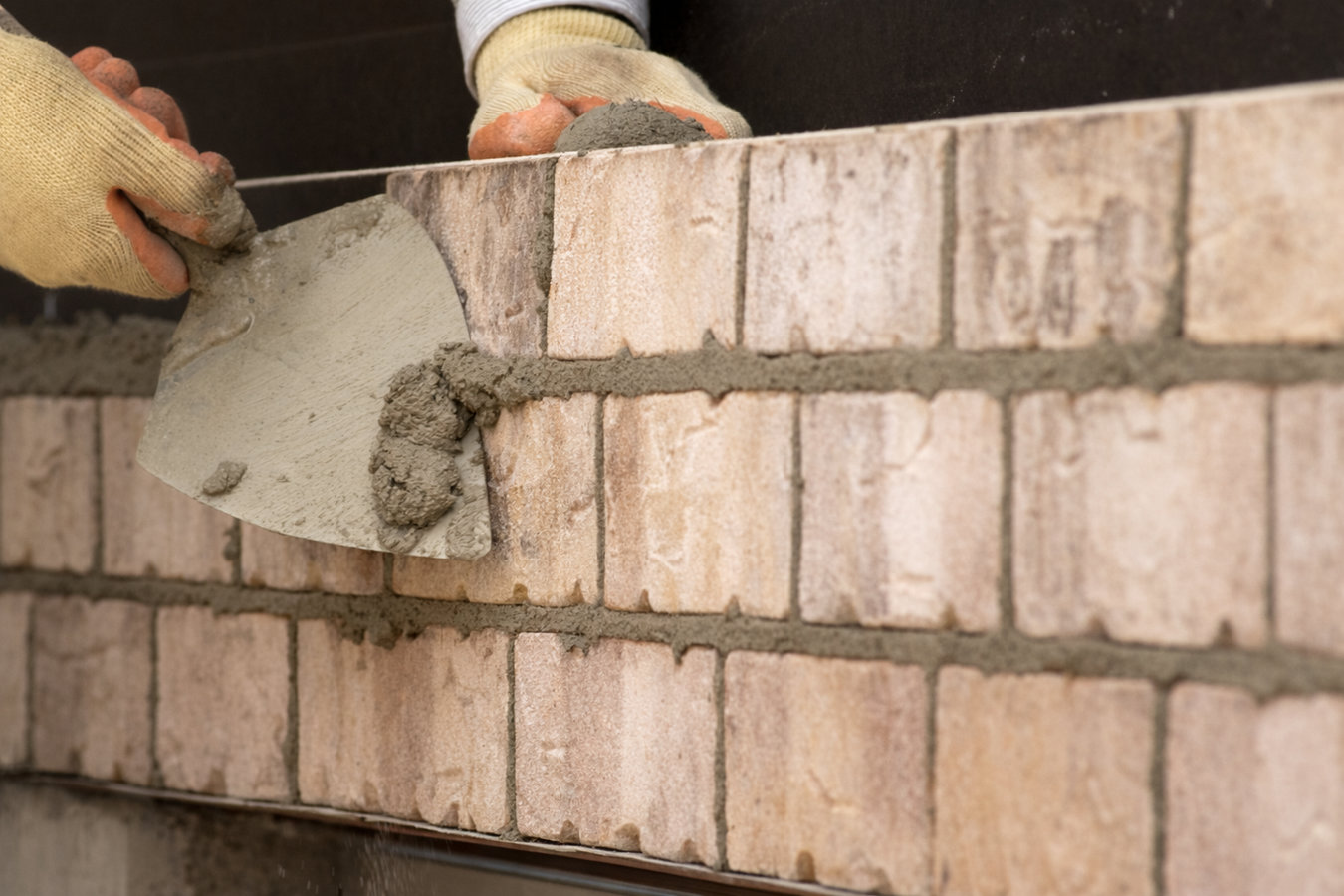
Foundation repair in Diamond Bar means diagnosing the specific cause of movement - whether that is expansive clay soil, hillside settling, or water intrusion - and applying the right fix, typically pier installation, crack repair, or wall stabilization, with most residential jobs completed in one to three days.
Most homeowners notice something is off before they know what to call it: a door that sticks, a floor that slopes, a crack that keeps coming back. In Diamond Bar, those symptoms are often connected to the same thing - clay soil that swells with winter rain and shrinks in summer heat, putting your foundation under constant seasonal pressure. The longer you wait, the further the damage spreads into walls, floors, and door frames.
Fixing the foundation often goes hand-in-hand with other structural work. If your home sits on a hillside lot, you may also want to look at foundation block wall installation to address the perimeter structure at the same time.
If a door that used to swing freely now drags on the floor or refuses to close, the frame around it may have shifted. In Diamond Bar, this symptom often appears right after the soil has gone through a wet-to-dry transition. If it is happening in multiple spots, the foundation deserves a look.
Diagonal cracks that start at the corner of a door or window frame and run upward at an angle usually mean part of the structure is moving relative to another part. On Diamond Bar's hillside lots, this pattern is especially common in homes built on cut-and-fill pads where the fill side has settled faster.
Walk around the outside of your home and look at the concrete or block wall at ground level. Horizontal cracks, stair-step cracks in brick, or cracks wider than a quarter-inch are worth having evaluated. In Diamond Bar's clay-heavy soil, these often appear after a dry summer when the soil pulls away and then re-expands with the first rains.
Standing water collecting against your home's exterior walls after a rainstorm is working its way into the soil directly beneath your foundation. In Diamond Bar's clay soils, the repeated saturation-and-drying cycle is one of the most reliable drivers of foundation movement. Catching this before you see cracks can prevent a much larger repair.
The right repair depends on what is causing the movement, not just what it looks like from the surface. We offer pier installation for homes with deep settling, crack injection and stabilization for contained damage, wall anchoring and carbon fiber straps for bowing or leaning foundation walls, and drainage corrections when water infiltration is the root cause. Every job starts with a thorough on-site assessment before any price is discussed.
For homes with significant perimeter damage, we also handle chimney repair when seismic or settling activity has affected multiple structural components at once. Addressing related issues together saves scheduling time and ensures one repair does not work against another.
Best suited for homes with significant deep settling or where soil conditions require transferring load to stable bedrock.
Effective for isolated cracks that have not progressed to structural movement, stopping water infiltration and preventing further spread.
The right choice for bowing or leaning foundation walls where lateral soil pressure is the primary driver of movement.
Often paired with other repairs when water pooling near the foundation is the underlying cause - fixing the symptom without the source means the problem returns.
Diamond Bar sits in the Pomona Valley foothills, and much of its housing stock - built primarily between the 1960s and 1980s - was constructed on graded hillside lots. Cut-and-fill pads, where part of the lot was cut into the hill and part built up with fill soil, are common throughout the city. Over decades, the fill side often settles at a different rate than the cut side, producing the diagonal wall cracks and sloping floors that are a recurring pattern in Diamond Bar homes. A contractor unfamiliar with this terrain will misread the symptom. We work throughout the San Gabriel Valley and know what slope-related settling actually looks like.
Soil conditions compound the terrain challenge. Diamond Bar's clay-heavy soil expands with winter rain and contracts in summer heat - a cycle that repeats every year and puts constant push-and-pull stress on your foundation. Homeowners in Rowland Heights and Hacienda Heights face the same soil conditions, and we carry that local knowledge into every assessment we do here.
We will respond within one business day. You will be asked a few basic questions - what you are seeing, how long it has been happening, and whether the home is on a slope - so we can send the right person.
A qualified technician walks the interior and exterior, checks cracks, measures floor levels, and explains what they are seeing as they go. You leave knowing what the problem is, not just a number.
You receive a written estimate spelling out exactly what will be done and how many days it will take. In Diamond Bar, structural foundation work requires a city permit - we handle the application, not you.
Most residential repairs in Diamond Bar take one to three days. A city inspector visits at a designated point to review the work before it is covered. You keep the permit documentation - it is valuable when you sell.
We will walk your Diamond Bar property, explain exactly what we see, and give you a written estimate - no obligation, no sales pressure. Most homeowners tell us the visit was far less stressful than they expected.
(909) 760-1426We pull the required permit through the Los Angeles County Building and Safety Division for every structural job. A city inspector reviews the work before it is closed out - giving you independent verification that has real value at resale. Verify our license at CSLB.ca.gov.
Slope-related foundation issues in Diamond Bar are genuinely different from what a contractor sees on a flat lot. We regularly work on the hillside and graded lots throughout the San Gabriel Valley and know how differential settling presents on cut-and-fill pads.
A repair that ignores Diamond Bar's expansive clay conditions is a repair that may need to be done again in a few years. We account for the seasonal wet-dry cycle in the materials and methods we choose - so the fix holds through the next rainy season and the one after that.
We have been working on Diamond Bar homes since 2019. That means we have seen how local soil and terrain conditions play out across seasons - not just in theory, but on actual properties in this city.
Each of those points connects to the same idea: doing foundation repair correctly in Diamond Bar requires local knowledge, not just general technique. Permitted work, hillside experience, and soil-specific solutions are the standard we hold ourselves to on every job.
Seismic and weather-related chimney damage often appears alongside foundation issues - mortar repair, liner replacement, and cap installation for Diamond Bar homes.
Learn MoreNew or replacement block wall systems at the foundation perimeter, often the next step after stabilizing a settling or shifting foundation.
Learn MoreOur schedule fills ahead of rainy season - call now to lock in your date and get your home stabilized before the ground starts moving again.