Loading...
Serving Diamond Bar, CA and surrounding areas. (909) 760-1426
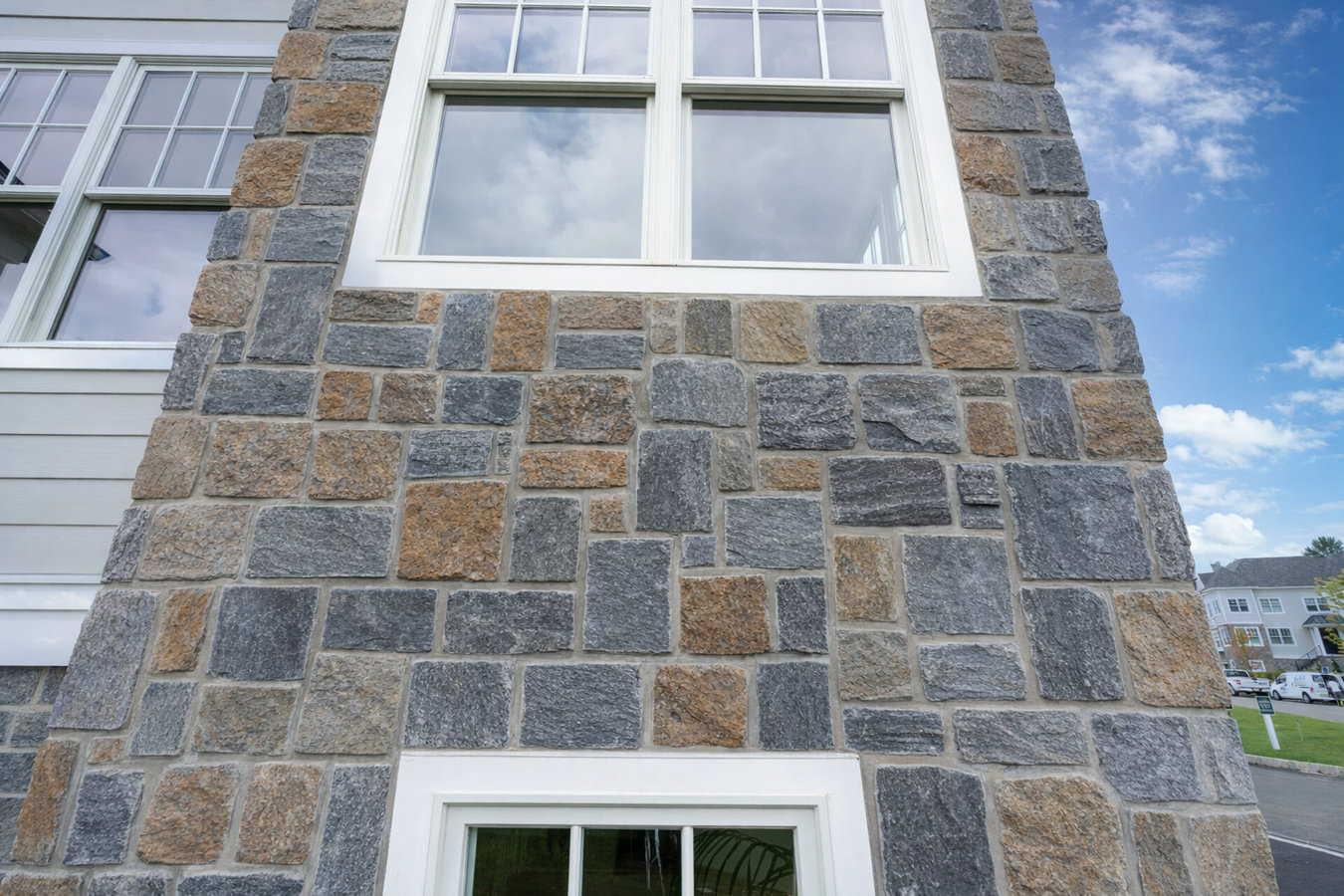
Hillside lots, shifting clay soils, and seismic requirements shape every stone project in Diamond Bar. We build walls, steps, and patios that account for all three.
Stone masonry in Diamond Bar covers retaining walls, front entry steps, garden borders, patios, and decorative stonework - using natural or manufactured stone set in mortar. Most residential jobs take one to five days on site, depending on the scope and whether permits are required. The result is one of the most durable exterior surfaces available, typically lasting 50 or more years with routine upkeep.
Homeowners here usually reach out because a retaining wall is starting to lean after a wet winter, front steps have become uneven and slippery, or a yard renovation needs a permanent stone feature to anchor it. Stone masonry pairs naturally with our masonry restoration service when an existing stone structure needs repair before new work is added around it. Whether you are starting fresh or fixing what is already there, the process begins with a free on-site estimate and a written quote before any work begins.
A visible tilt or horizontal cracks across a retaining wall face mean the wall is under stress it cannot handle. In Diamond Bar, this often happens after a wet winter when clay-heavy soil behind the wall absorbs water and pushes outward with significant force. A leaning retaining wall can fail suddenly, sending soil into your yard, your neighbor's property, or toward your home's foundation.
Run a finger along the joints between stones on a wall or steps. If the mortar crumbles or has fallen out in sections, the structure has lost much of its holding power. Diamond Bar's temperature swings - hot dry summers followed by wetter winters - accelerate mortar breakdown over time. Repointing the joints is a straightforward repair when caught early, but ignored, it leads to stones shifting and the whole structure weakening.
If water collects near your foundation during or after a rainstorm, a stone retaining wall or drainage feature may be the right fix. Diamond Bar's hillside topography means water flows naturally toward structures, and without proper grading or a wall to redirect it, that water can damage your foundation over years. A masonry contractor can assess whether a wall, a drain, or a combination solves the problem.
If a step rocks when you stand on it, or a stone has sunk noticeably below the ones around it, the base beneath it has shifted. This is a trip hazard, and it tends to get worse as water enters the gap and the soil continues to move. In Diamond Bar, expansive clay soils are a common cause - they shift seasonally and can gradually undermine even well-installed stonework.
We handle stone masonry projects from the ground up - starting with footing excavation sized for local clay soils, through setting each stone course in mortar, to final joint tooling and cleanup. Every project gets a written estimate and permit management where required by the City of Diamond Bar. For HOA communities, we help you prepare what the design review board needs so the approval process does not stall your timeline. Our masonry restoration service handles failing stone structures where the repair is more economical than a full rebuild.
Homeowners who want a stone look without the weight and cost of natural stone often ask about our brick pointing and repointing service for existing structures, or about manufactured stone veneer as a cost-effective alternative. We will walk you through the tradeoffs so you can choose what fits your lot, your budget, and your HOA's design guidelines. Natural stone and manufactured veneer both have a place in Diamond Bar - the right choice depends on the specific project.
For sloped Diamond Bar lots where soil movement or drainage needs a permanent solution - built with proper footings, drainage provisions, and seismic reinforcement as required.
For homeowners updating a front entry or improving access on a sloped yard - natural or manufactured stone steps set on a stable base that will not rock or sink.
For yard renovation projects that need a durable, low-maintenance surface - flagstone or cut stone patios and decorative borders that hold up through seasonal soil movement.
For homeowners who want the look of natural stone on an existing concrete block or stucco surface - a lighter, more affordable option that delivers real stone appearance.
Diamond Bar is built across a series of rolling hills in the eastern San Gabriel Valley, and a large share of its homes sit on sloped lots where retaining walls are a practical necessity, not a decorative choice. The city is also underlain by clay-rich soils that expand when wet and contract when dry - a seasonal cycle that puts real stress on any masonry sitting on or against the ground. A stone wall built without proper drainage behind it and footings sized for local soil conditions will start to lean within a few years, no matter how well the stonework itself was done. Homeowners in nearby Walnut face the same hillside conditions, and we build for both communities with the same approach.
Diamond Bar also sits in a mapped seismic hazard zone, meaning retaining walls and freestanding stone walls above certain heights must meet engineering requirements before a permit is issued. Hot summers that push into the 90s and above require masons to schedule heavy work in the cooler morning hours and protect fresh mortar from drying too fast in direct sun - otherwise the bond weakens before the wall ever carries a full load. Homeowners in Rowland Heights deal with the same hillside terrain and summer heat, and we bring the same site-specific approach to every project across the area. For external context on seismic requirements, the California Geological Survey Seismic Hazard Zonation Program maps the hazard zones that apply here.
We ask a few basic questions - what you want built or repaired, where it is on your property, and whether you have photos. Most homeowners hear back within one business day, and we schedule a free on-site estimate within a few days.
We visit the site, take measurements, and look at slope, drainage, and soil conditions. You get a written estimate that separates labor and materials - not a single lump number. If a permit is required, we tell you at this stage and factor it into the timeline.
For retaining walls or structural work, we submit the permit application to the City of Diamond Bar on your behalf. If your neighborhood has an HOA, we help you prepare the design submission. Approvals typically take a few days to a few weeks depending on the project.
The crew sets footings, lays stone course by course, and tools the joints. After the last stone is set, mortar needs 24 to 72 hours before foot traffic and up to 28 days to reach full strength. We walk through the finished work with you and provide any care guidance in writing.
Free on-site visit, written itemized quote, no pressure to commit. We respond within one business day.
(909) 760-1426We submit permit applications to the City of Diamond Bar and coordinate any required inspections. You do not have to track the paperwork yourself, and the project does not start until the permit is in hand.
Footings sized for Diamond Bar's clay-heavy soils, drainage provisions behind every retaining wall, and mortar schedules timed for local heat. These are the details that determine whether a wall is still plumb in five years.
You get an itemized written estimate before any work begins. If anything changes during the project, you hear about it before it affects your cost. No surprise invoices at the end of the job.
We have worked with HOA-governed neighborhoods across Diamond Bar and know what documentation the design review process typically requires. We put together what you need so the approval moves quickly and your project stays on schedule. The Masonry Institute of America provides the technical standards we work to on every project.
Stone masonry on a Diamond Bar hillside lot is not the same as stone masonry on a flat lot in the valley. Getting it right means knowing the soil, the seismic zone, and the permit process before the first stone goes down - and that is the work we do on every project. The Masonry Institute of America sets the technical standards we reference, and the California Contractors State License Board is where you can verify our license before signing anything.
Fresh mortar in crumbling joints on brick and stone surfaces - the maintenance step that prevents a repointing job from becoming a full replacement.
Learn MoreRepair and stabilization for failing stone and brick structures - from repointing deteriorated joints to rebuilding sections that have shifted out of alignment.
Learn MoreSpring and fall book up fast - reach out now to lock in your project timeline before the next rain season arrives.