Loading...
Serving Diamond Bar, CA and surrounding areas. (909) 760-1426
Diamond Bar Concrete & Masonry is a masonry contractor serving West Covina, CA with driveway paver installation, brick repair, retaining wall construction, and walkway work for the city's older single-family homes. We have served the San Gabriel Valley since 2019 and respond to every inquiry within one business day.
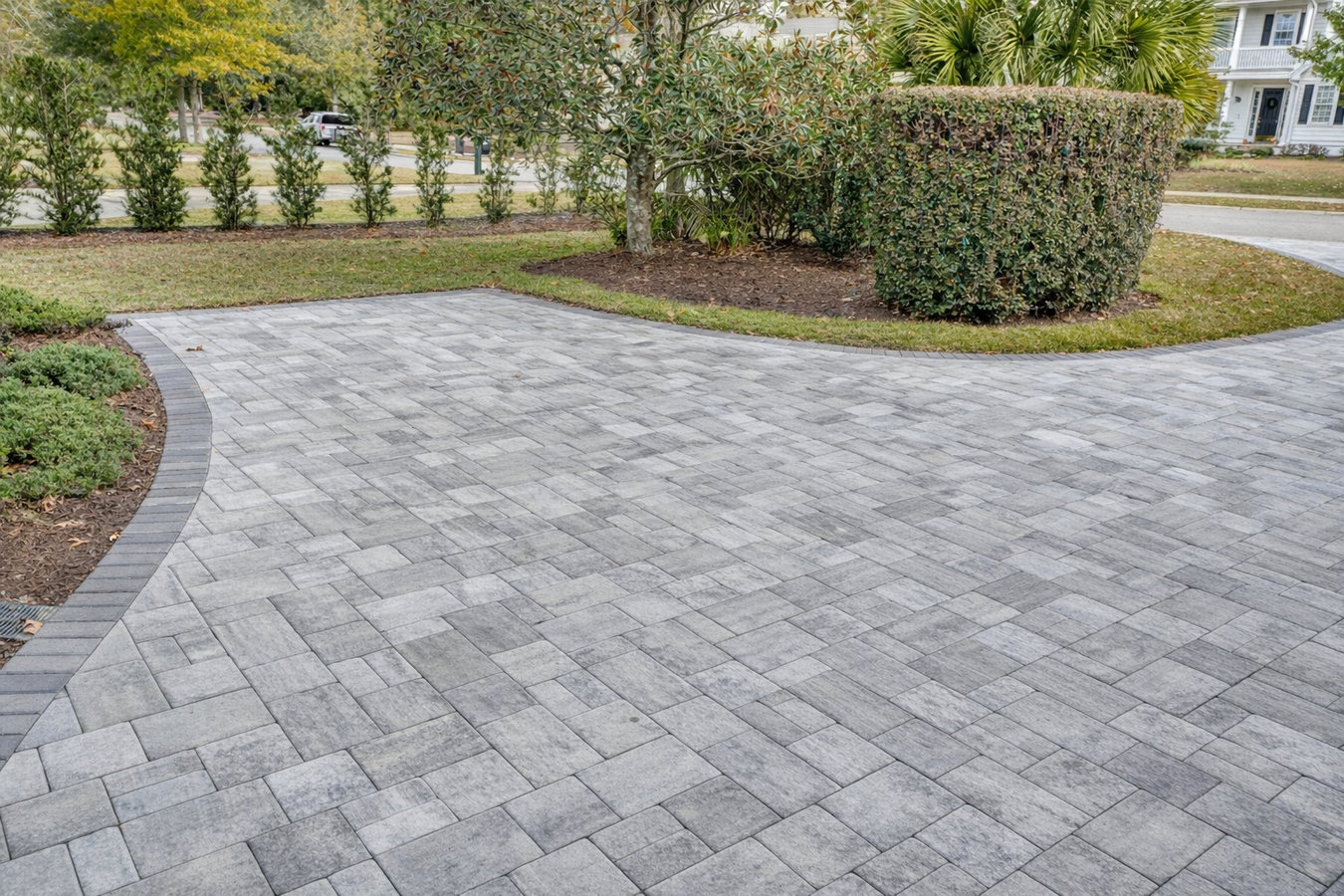
Most West Covina driveways were poured in the 1950s, 1960s, or 1970s, and the clay soils under them have been shifting those slabs ever since. When cracking and displacement reach the point where patching no longer holds, paver replacement is the right answer - individual pavers accommodate slight ground movement without fracturing across the whole surface the way a concrete slab does. Our driveway paver installations start with proper base preparation designed for the clay soil conditions typical in West Covina.
West Covina's postwar ranch homes commonly have brick features at the front entry, around the fireplace, along garden walls, and on planters that were part of the original construction in the 1950s and 1960s. Brick of that age often shows spalled faces, open mortar joints, and moisture-driven deterioration that spreads if left alone. We replace damaged bricks, repoint the joints, and seal the surface to stop the cycle before it reaches structural brick underneath.
West Covina is mostly flat, but properties near the South Hills area and along the hillside communities on the south side of the city do have grade changes that require retaining walls. Block and concrete retaining walls on older West Covina properties sometimes lack the drainage behind them that current standards require, which leads to hydrostatic pressure failures. We build replacement walls with correct drainage details so they don't repeat the same failure.
Cracked and sunken front walkways are one of the most common masonry problems we see on West Covina properties. The original concrete paths on 1950s and 1960s homes were typically poured thin with minimal base preparation, and decades of clay soil movement have left them uneven. We remove and replace failing walkways with stone pavers or concrete over a properly compacted gravel base that handles seasonal ground movement better than the original construction.
Masonry built in the 1950s and 1960s in West Covina often has mortar that has gone soft and recessed well below the brick face after 60 or 70 years of sun, heat, and winter rain exposure. Open mortar joints allow water to enter the masonry assembly and accelerate the deterioration of everything behind the face. Tuckpointing these surfaces before water gets behind them is the most cost-effective way to extend the life of brick chimneys, garden walls, and decorative masonry on older West Covina homes.
Homes built in the 1950s through 1970s in West Covina sometimes show foundation cracking and settlement that traces back to the expansive clay soil that was not always adequately prepared before original construction. Stair-step cracks in block foundations and diagonal cracking near door and window openings are early signs of differential settlement. We assess foundation conditions and recommend repairs before minor movement turns into a larger structural issue.
The bulk of West Covina's housing stock was built between 1950 and 1980 during the postwar suburban boom that transformed the San Gabriel Valley. Those homes are now 45 to 75 years old, and the original concrete flatwork, brick features, and block walls that were installed with them are at or past their expected service life. Clay-heavy soils throughout the city swell during the November-to-March rainy season and shrink back during the long dry summers, and that cycle has been stressing concrete slabs and masonry structures every year since those homes were built. Driveways that were poured in 1965 without adequate base preparation don't survive that movement well, and the results show up as cracked, heaved, and uneven surfaces across West Covina neighborhoods.
West Covina summers regularly push into the mid-90s, and that heat combined with periodic heavy winter rain is a difficult combination for mortar joints and brick surfaces. Heat dries out mortar faster than it does in cooler climates, and rain follows up by driving into the gaps. A masonry contractor who understands this climate will specify mortar mixes and sealing approaches that hold up to both extremes. Permits for structural masonry work in West Covina are processed through the City of West Covina Building and Safety Division, and we handle permit applications on behalf of homeowners as part of our standard process.
Our crew works throughout West Covina regularly, and we understand the local conditions that affect masonry work here. West Covina is a compact city, and the vast majority of jobs we take here are on single-family ranch homes built in the postwar decades - low-pitched roofs, attached garages, concrete driveways, and stucco exteriors that were standard construction across the San Gabriel Valley in the 1950s and 1960s. Knowing that age of construction matters because the masonry materials, joint styles, and footing depths from that era require a different repair approach than newer work.
The Westfield West Covina mall on West Covina Parkway is the most recognizable landmark in the city. South Hills Country Club sits on the south side of the city along the hillside neighborhoods where grade changes and retaining walls are more common than in the flat central districts. The I-10 freeway defines the northern edge of the city, and most of the residential neighborhoods extend south from there. West Covina borders La Puente to the west - we serve both cities and see similar housing ages and masonry repair needs across both communities.
We also cover Covina to the east, where ranch-era homes present the same driveway and brick repair work we see in West Covina. To the northwest, La Puente has similar property types and is a regular part of our service territory - our crew moves between these three cities throughout the week.
Call or submit a request online and we follow up within one business day. We ask a few questions about what you are dealing with so we can plan the right visit - a cracked driveway is a different assessment than a leaning retaining wall.
We come to your West Covina property, look at the masonry, the soil conditions, and any drainage factors that affect the job, and give you a written estimate before anything starts. If cost is a concern, this is the right moment to ask - we are direct about scope and price.
For jobs that require a West Covina building permit, we file the application and schedule inspections. You do not need to navigate city hall yourself - we handle the paperwork as part of taking the job.
We complete the work on the agreed schedule, clean up the job site completely, and walk you through what we did before we leave. For driveway and paver work, we explain the curing time and any restrictions before you park on it.
We serve homeowners throughout West Covina with on-site estimates, permit handling, and masonry work built to last. Call or submit a request and we will get back to you within one business day.
(909) 760-1426West Covina was incorporated in 1923 and grew from a small agricultural town into a full suburban city after World War II, when demand for housing in the San Gabriel Valley surged. The city now has a population of about 106,000 people across roughly 16 square miles, making it one of the larger cities in the San Gabriel Valley. Most residents live in detached single-family ranch homes built between 1950 and 1980 - modest lots with front yards, concrete driveways, and stucco exteriors that were standard construction across Southern California during that era. About 57 percent of housing units are owner-occupied, so the majority of residents have a direct stake in keeping their properties well maintained. For city services and permit information, residents contact the City of West Covina.
The Westfield West Covina mall has been a commercial anchor in the city since the 1970s. South Hills Country Club on the southern hillside is one of the most recognizable private landmarks. The I-10 freeway corridor connects West Covina to downtown Los Angeles about 20 miles to the west and to the broader Inland Empire to the east. West Covina borders neighboring Covina and La Puente, both of which we serve with the same masonry work we do throughout West Covina.
Restore your foundation's strength and prevent further structural damage.
Learn MoreInstall block wall foundations built to last for decades.
Learn MoreOlder homes need experienced hands. Call us today or submit a request online - we respond within one business day and come to you with a free on-site estimate.