Loading...
Serving Diamond Bar, CA and surrounding areas. (909) 760-1426
Diamond Bar's earthquake activity and dry-wet climate cycles wear chimneys down faster than most homeowners realize. We inspect, diagnose, and repair the right way - so your fireplace is safe before the next time you want to use it.
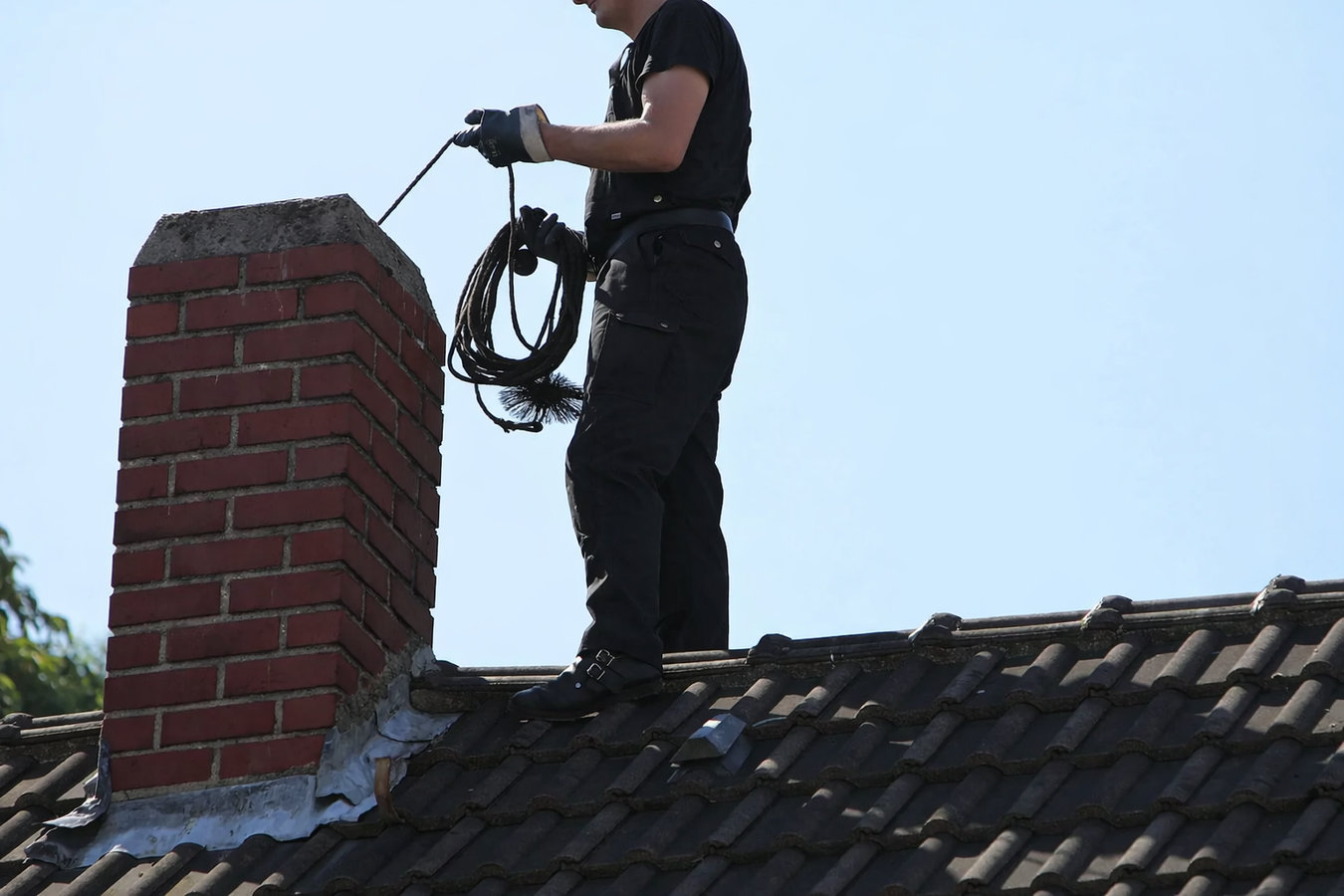
Chimney repair in Diamond Bar covers mortar joint restoration, liner replacement, cap and crown work, firebox repair, and damper replacement - with most residential jobs completed in one to two days without requiring you to leave your home.
A chimney is not just a decorative stack of bricks. It is a system - the firebox, flue liner, damper, crown, and cap all have to work together for the chimney to function safely. When any part fails, the effects can range from a smoky smell on a warm day to a fire hazard you cannot see. In Diamond Bar, the most common repair trigger is mortar breakdown from the city's hot dry summers and wet winters, but earthquake activity around the Puente Hills fault zone adds a layer of hidden risk that most homeowners do not think about until something goes wrong.
When mortar damage is widespread, the work involved is closely related to tuckpointing - removing deteriorated mortar joints and replacing them with fresh material. Understanding that connection helps you ask the right questions when getting an estimate.
Chalky white streaks or patches on the brick face are mineral deposits left behind as water moves through the masonry and evaporates. In Diamond Bar, where winter rains can be intense after long dry spells, this moisture intrusion tends to get worse each season. It is one of the easiest early warning signs to spot from the ground.
If the mortar between bricks looks sunken, cracked, or is pulling away, it is breaking down. Diamond Bar's cycle of hot dry summers and wet winters accelerates mortar deterioration, and a hairline crack can become a significant gap within a season or two if left alone.
If you open the damper and find pieces of clay, brick chips, or gritty material in the firebox, the inner liner or firebox walls are deteriorating. This is worth paying attention to after any recent earthquake - even a moderate tremor can dislodge material inside the flue that looks fine from outside.
A smoky or musty smell coming from the fireplace on warm days or after rain usually means the draft is reversed or water has gotten in and is mixing with old deposits inside the flue. It is a sign that something in the system - the cap, the damper, or the liner - is not working as it should.
Every chimney repair starts with an honest in-person inspection - no phone quotes, no guessing. From there, the scope depends on what we actually find. Mortar repairs and tuckpointing are the most common work on Diamond Bar's older homes. Liner replacement is recommended when the inner channel has cracked or deteriorated and can no longer safely contain heat and gases. Cap and crown repairs stop water intrusion at the top of the system before it travels down and causes more damage. Firebox and damper work addresses the components inside the home that control airflow and combustion safety.
For homeowners who want to go further, we also handle fireplace installation when an existing firebox has reached the end of its serviceable life or when a homeowner wants to add a new fireplace to the home. Combining a chimney repair assessment with a fireplace consultation is a natural fit and saves a separate site visit.
Best for chimneys with deteriorating joints between bricks - removes crumbling mortar and replaces it with fresh material suited to this climate.
The right choice when the inner flue liner is cracked or deteriorated and can no longer safely carry heat and gases away from the home's framing.
Stops rain, animals, and debris from entering the chimney at the top - a small repair that prevents large water damage bills.
Addresses the components inside the home that control airflow and combustion safety, including firebox wall cracks and damper seals that no longer hold.
Diamond Bar sits near the Puente Hills fault zone, and the San Gabriel Valley has experienced multiple moderate earthquakes in recent decades. Even small ground movements can shift mortar joints and crack the inner liner of a chimney without causing any visible exterior damage. A chimney that looks intact from the street can be unsafe to use after a tremor. This is why our inspections in Diamond Bar include a specific check for the kind of internal cracking pattern that earthquake activity produces - not just the surface wear that a standard inspection would catch. The Chimney Safety Institute of America recommends annual inspections for exactly this reason - catching damage before it becomes a fire hazard.
The age of Diamond Bar's housing stock matters too. Most homes in the city were built between the 1960s and 1980s, which means many chimneys are now 40 to 55 years old. Original clay tile liners and mortar from that era are at or past the point where professional attention makes sense. Homeowners in nearby Azusa and Walnut face the same aging stock and seismic exposure, and we bring the same earthquake-aware approach to every chimney we inspect across the valley.
We respond within one business day. You will be asked how old your home is, whether you have noticed specific problems, and when the chimney was last inspected. We do not quote prices over the phone - your chimney has to be seen first.
The contractor examines the exterior brickwork, mortar, cap, and crown, and checks the firebox, damper, and as much of the flue as possible. Older Diamond Bar homes may benefit from a camera inspection to look for hidden liner cracks. You leave knowing exactly what was found.
You receive a written estimate distinguishing between urgent safety repairs and work that can wait. If structural changes are involved, we confirm whether a permit is required through Los Angeles County and handle the application on your behalf.
Most chimney repairs are completed in one to two days. Crews work from the roof and around the fireplace - the rest of your home is unaffected. Fresh mortar needs 24 to 48 hours to cure before the fireplace is used, and you receive warranty documentation before we leave.
No pressure, no phone quotes. We come to your Diamond Bar home, show you exactly what we find, and give you a written estimate you can compare - no commitment required.
(909) 760-1426We check specifically for the internal cracking patterns that seismic activity produces in chimney liners and mortar joints - damage that standard visual inspections often miss. Diamond Bar is earthquake country, and that reality shapes how we approach every inspection here.
Every job is performed by a California-licensed contractor. You can verify our license directly at CSLB.ca.gov before agreeing to anything. An unlicensed contractor can void your homeowner's insurance coverage on a chimney-related claim.
Diamond Bar's hot dry summers followed by wet winters are hard on mortar. A rushed patch job fails fast in these conditions. We use materials suited to this climate's specific stress patterns - and we do not consider the job done until the work can handle what the weather here actually delivers.
Many Diamond Bar neighborhoods are HOA-governed, and exterior chimney work sometimes requires matching mortar color or cap style to community standards. We are familiar with the appearance requirements common in this area and handle any HOA considerations before work begins - not after.
Chimney repair in an earthquake-prone, semi-arid city with aging housing stock requires more than basic masonry skill. The local knowledge - seismic risk, climate patterns, HOA requirements, permit processes - is what separates a repair that holds from one that needs to be done again.
When mortar joint deterioration extends beyond the chimney to other brick or masonry on your home, tuckpointing restores the entire affected surface at once.
Learn MoreWhen a firebox has reached the end of its serviceable life, or when you want to add a new fireplace to your home, we handle the full masonry installation.
Learn MoreOur schedule fills ahead of fireplace season - call now to lock in your inspection before the next time you want to use your fireplace safely.